


Crane Lifting Equipment & Attachments
 Bremco has been manufacturing crane lifting attachments for 30 years.
Our attachments see broad use across Australia in a range of industries and materials handling capacities, including warehousing, manufacturing, mining and transport.
Each of our high-quality crane attachments is manufactured in-house by our experienced team.
All of our crane lifting attachments feature fully-welded construction and are designed and load tested in accordance with Australian Standard AS4991, or AS1418.17 for our crane man boxes. For your records, all mobile lifting equipment come with a standard compliance plate and serial number.
View Our Crane Lifting Equipment
Lifting Attachments for Cranes
Bremco’s crane lifting equipment is designed to expand the use of your cranes and provide more versatile lifting systems. In addition to our existing catalogue of crane attachments, we’re also able to custom manufacture crane attachments to meet your needs and specifications.
If you have an application that requires a specific crane lifting attachment, we’ll work with you to design and manufacture custom components to suit.
All of our lifting attachments for cranes are designed with input from our engineering partners to ensure they meet Australian Standards and contribute to a safe working environment.
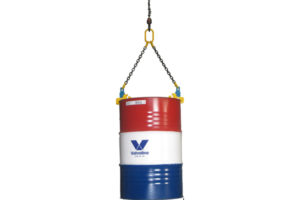
Crane Drum Handling
Safely lift, shift and move steel or plastic materials drums with drum lifting chains and drum grab attachments designed by Bremco.
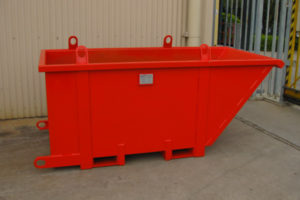
Crane Lift Bins & Devices
For all general material and component handling, Bremco’s versatile crane lift bins and lifting devices can safely transport a range of goods.
Crane Lifting Attachments
Crane lifting attachments expand the use of your cranes, allowing materials, workers and goods to be lifted safely and efficiently.
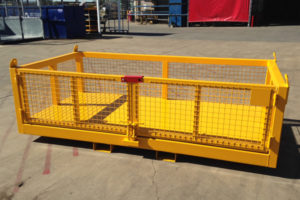
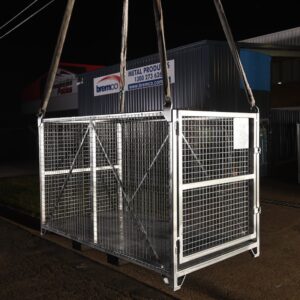
Crane Lifting Cages
Suitable for use with most overhead crane systems, our crane lifting cages are ideal for warehouses, construction sites and workshops.
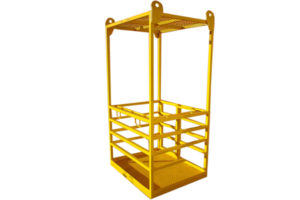
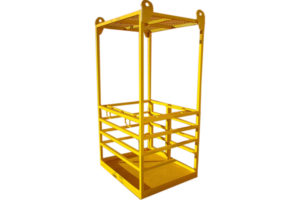
Crane Man Cages
Protect your employees and create a safer workplace with crane man cages manufactured to comply with AS1418.17.
General Crane Attachments
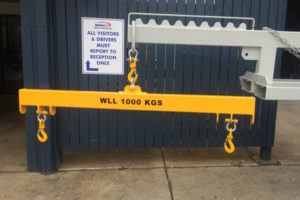
From lift beams and bulk bag lifters to pallet hooks and spreader beams, Bremco produces a wide range of general crane attachments.
Contact Bremco Today
Bremco is a proudly Australian owned and operated supplier of material handling equipment. Each of the crane lifting attachments we supply is manufactured to meet our strict standards for quality and safety.
If you’d like to order a crane attachment or design custom crane lifting equipment, you can get in touch with our team at any time.
FAQs
What is Crane Lifting?
Crane lifting uses a device called a crane to lift, lower and move materials. Cranes come in a range of sizes and they see use throughout all materials handling industries. Thanks to mechanical advantage, crane lifting can be used to handle objects that are far beyond the lifting capacity of humans and other machines.
What Are Crane Lifting Attachments?
Crane lifting attachments are a type of equipment that attaches to a crane to assist with lifting and moving materials.
What Types of Crane Lifting Equipment Are There?
There are hundreds of types of crane lifting attachments, including lifting beams, spreader beams, pallet hooks, man cages and more. As cranes are used for lifting most materials, crane lifting attachments can be designed to lift most heavy, cumbersome or odd-shaped objects.
Do Crane Lifting Attachments Affect a Crane’s Capacity?
Crane lifting attachments cannot be used to increase a crane’s capacity, but they do affect the way a crane should be operated. Depending on the type of crane lifting attachment being used, the crane operator may require training to safely control and manage the equipment.
Can Cranes Be Used to Lift Personnel?
Thanks to crane lifting attachments such as man cages, cranes are the ideal machine for safely lifting and transporting personnel. Small crane man cages are subject to Australian Standard AS1418.17 which lays out requirements for the safe design, construction and testing of personnel lifting systems, workboxes and man cages.